
Introduction
Lighting has evolved dramatically over the past few decades. From incandescent bulbs to fluorescent tubes, and now to LED Module, the journey of illumination reflects the continuous pursuit of efficiency, sustainability, and innovation.
Today, LED modules are no longer just simple light sources — they are intelligent systems that integrate with smart technology, sensors, and data analytics to create dynamic and energy-efficient environments.
In this article, we’ll trace the evolution of LED modules, exploring how they’ve transformed from basic lighting solutions into the smart, connected systems shaping the future.
The Early Days of LED Technology
The story of LEDs began in the 1960s, when scientists discovered that semiconductors could emit light when an electrical current passed through them — a process called electroluminescence.
Initially, LEDs were limited to red indicator lights in calculators, watches, and electronic devices. They were dim, monochromatic, and expensive to produce — far from the bright, efficient lights we know today.
However, this discovery laid the foundation for the solid-state lighting revolution that would follow decades later.
Stage 1: The Emergence of LED Modules
By the 1990s and early 2000s, advancements in materials science — especially the development of blue and white LEDs — made LED lighting commercially viable.
Manufacturers began packaging multiple LED chips into compact, self-contained units called LED modules. These modules provided:
-
Higher brightness and uniform light output
-
Longer lifespans (20,000–50,000 hours)
-
Reduced energy consumption
They quickly replaced incandescent and halogen bulbs in commercial, automotive, and residential lighting applications.
This marked the first major leap in lighting technology — where LEDs were no longer limited to gadgets but became a mainstream lighting solution.
Stage 2: The Age of Design and Efficiency
As LED modules gained popularity, engineers and designers began focusing on form and function.
Key innovations during this era included:
-
COB (Chip-on-Board) Modules – delivering smoother, glare-free light.
-
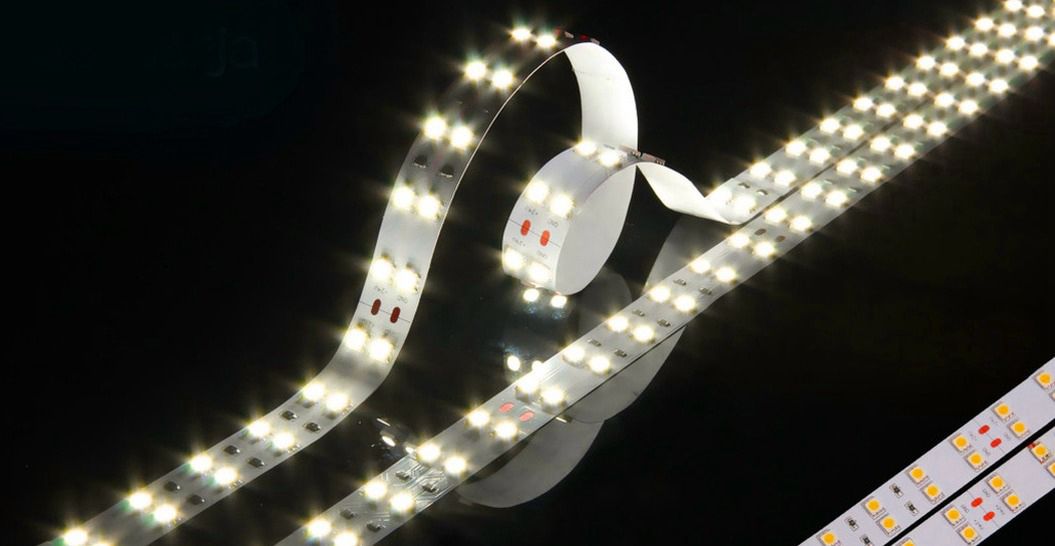
SMD (Surface-Mounted Device) Modules – smaller, more flexible designs for signage and backlighting.
-
Improved thermal management using aluminum PCBs and advanced heat sinks.
-
Wider color temperature options for various moods and settings.
LED modules became smarter, smaller, and more adaptable, making them ideal for diverse applications — from architectural lighting to consumer electronics.
Stage 3: Smart Integration and Connectivity
The next major evolution came with the rise of the Internet of Things (IoT) and smart lighting systems.
LED modules began integrating:
-
Wireless control (Wi-Fi, Bluetooth, Zigbee)
-
Dimming and color-tuning functions
-
Motion and ambient light sensors
-
Remote monitoring and automation
This transformation turned LED modules into intelligent ecosystems capable of responding to user behavior, environmental conditions, and even time of day.
For example:
-
Smart streetlights now adjust brightness automatically based on traffic flow.
-
Office lighting systems sync with circadian rhythms to enhance employee well-being.
-
Home lighting integrates with voice assistants like Alexa and Google Home.
Stage 4: Sustainability and Energy Intelligence
As environmental awareness grew, LED modules became a cornerstone of sustainable architecture and smart cities.
Modern modules now feature:
-
Ultra-low energy consumption
-
Recyclable materials and mercury-free components
-
Energy analytics tools for performance monitoring
-
Integration with solar and renewable systems
These advancements align LED lighting with global energy goals — helping reduce carbon emissions and build greener infrastructures.
Stage 5: The Future — Intelligent LED Ecosystems
The next frontier of LED module evolution involves AI-driven lighting and adaptive environments.
Upcoming trends include:
-
Self-learning systems that adjust lighting patterns based on human activity
-
Micro-LED and OLED modules for ultra-thin, flexible designs
-
Human-centric lighting (HCL) that mimics natural daylight for health benefits
-
Smart grid connectivity to balance power usage dynamically
In essence, LED modules are evolving from static components into autonomous systems that blend technology, design, and environmental intelligence.
How LED Modules Are Reshaping Industries
The evolution of LED modules has had a ripple effect across multiple industries:
-
Architecture: Dynamic facade lighting and energy-efficient buildings
-
Automotive: Advanced headlights, ambient lighting, and safety indicators
-
Retail: Adaptive lighting to enhance customer experience
-
Manufacturing: Smart illumination for operational efficiency
-
Urban Development: Sustainable city infrastructure and reduced energy bills
Each innovation pushes lighting closer to being a responsive, data-driven service rather than just a utility.
Conclusion
The evolution of LED modules mirrors humanity’s broader journey toward efficiency, intelligence, and sustainability.