
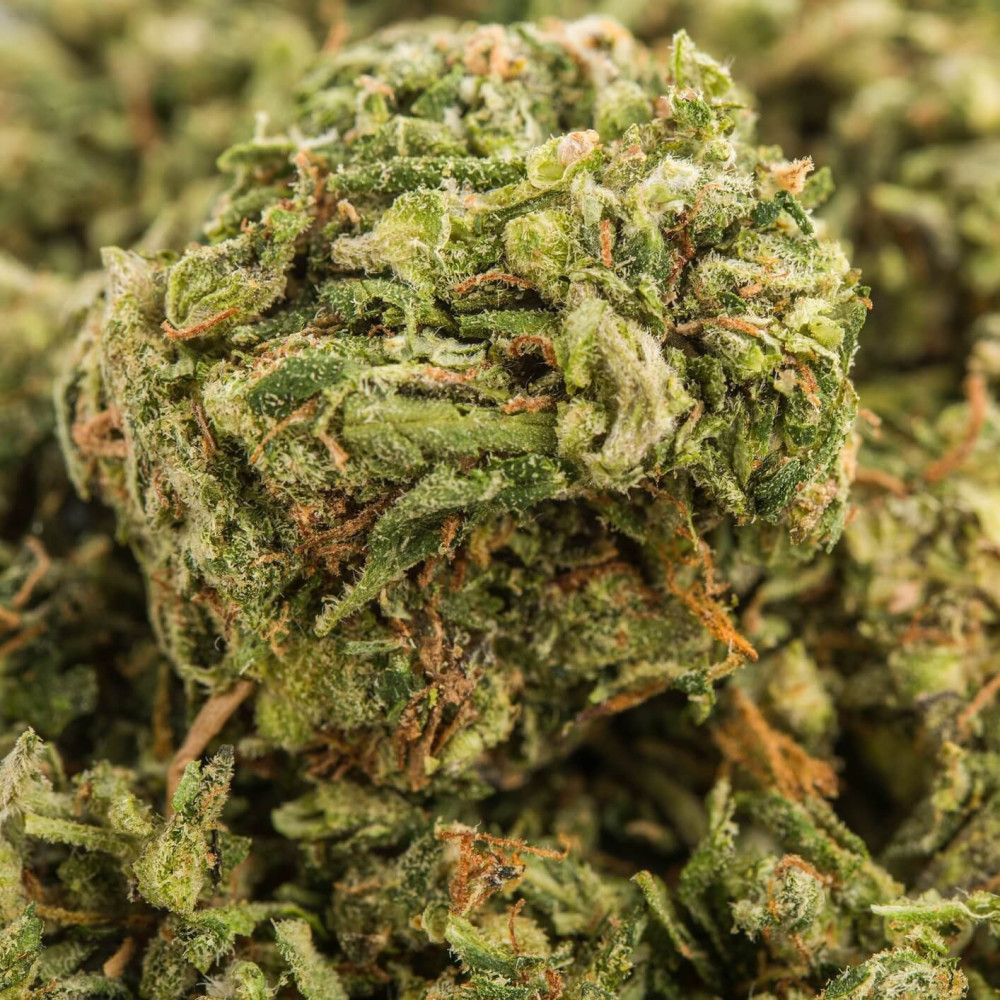
Cannabis, normally known as marihuana, is one of the most widely used nonprofessional substances in the worldly concern, but its effects on the head and body are complex and still being studied. Research into cannabis has discovered that its active voice compounds, in the first place THC(THC) and cannabidiol(CBD), interact with the body 39;s endocannabinoid system to make a variety of personal effects. These effects can straddle from euphory and relaxation to multiplied heart rate and neutered sensing. Understanding the skill behind marihuana use is requisite to appreciating both its remedy potency and its risks.
The Endocannabinoid System and Its Role
At the core of cannabis 39; personal effects is the endocannabinoid system(ECS), a network of receptors found throughout the head, nervous system, and unaffected cells. The ECS plays a crucial role in maintaining homeostasis mdash;helping the body to exert balance and regularise functions such as mood, appetite, sleep out, and pain. The ECS consists of cannabinoid receptors(CB1 and CB2), endocannabinoids(which are of course occurring compounds in the body), and enzymes that wear out down these compounds.
When ganja is consumed, THC, the primary mind-expanding component, binds to CB1 receptors in the nous. This fundamental interaction triggers the free of Dopastat, a neurotransmitter associated with pleasure and pay back, leadership to the happy quot;high quot; that many users undergo. THC also affects the hippocampus(involved in retentiveness), the (involved in ), and the amygdaloid nucleus(associated with feeling responses), which is why marijuana use can spoil memory, drive skills, and castrate mood.
CBD, in contrast, does not make a quot;high quot; but has been found to interact with both CB1 and CB2 receptors in a different way. It can qualify the psychotropic effects of THC, possibly reducing anxiousness or paranoia that some individuals experience with high-THC strains. Moreover, CBD has been researched for its potentiality remedy properties, including its ability to reduce pain, redness, and anxiousness.
Effects on the Brain
The psyche is particularly spiritualist to THC, which is why ganja consumption can have such unplumbed personal effects. THC mimics the litigate of endocannabinoids, naturally occurring chemicals that help order mood and knowledge. By bandaging to cannabinoid receptors, THC disrupts the common signal processes in the psyche, touching areas responsible for retention, attention, and motor .
One of the most commons personal effects of ganja use is the alteration of time sensing. Many users report that time seems to slow down when they are high, a lead of THC rsquo;s touch on the nous rsquo;s processing of temporal role selective information. Additionally, THC affects the amygdaloid nucleus, which plays a role in feeling responses, possibly leadership to raised feelings of ease, or in some cases, heightened anxiousness or paranoia.
Chronic marijuana use can lead to changes in the psyche rsquo;s social system and run. Studies advise that habitue, long-term use of marijuana, particularly during adolescence, may neuter the of nous regions encumbered in erudition, retentivity, and executive director work, leading to potentiality psychological feature impairments. However, these personal effects vary greatly depending on the person, the frequency of use, and the age of first exposure.
Effects on the Body
While the personal effects of ganja on the psyche are well-known, its impact on the body is also significant. THC, for example, can step-up heart rate and roue coerce, which can be a concern for individuals with pre-existing spirit conditions. In some cases, weed store use can also lead to dry mouth, red eyes, and weakened drive skills, which is why under the regulate of ganja is breakneck.
Cannabis has also been shown to have potentiality cure effects for conditions such as degenerative pain, nausea, and muscle spasms. This is largely attributed to THC rsquo;s ability to tighten pain sensing and inflammation, while CBD is intellection to help with musculus rest and anxiety. As a leave, health chec cannabis has become an operative treatment choice for a variety of ailments, including triple induration, , and cancer-related symptoms.
Conclusion
The science behind marijuana and its personal effects on the head and body is varied and continues to evolve. While marijuana has therapeutic potentiality, especially in the treatment of pain, anxiousness, and other conditions, its mind-bending personal effects on the brain and body must be carefully advised. Ongoing research is material to fully understanding how marihuana interacts with the body and to see that its use, both nonprofessional and medicative, is safe and operational.
 quadro_bike